We use cookies. This helps us run our website and give you a better experience. By using our site, you agree to our cookie policy.

NC Wallet News

View all

Unpacking the Concept

Where Is My Transaction? Mempool Explained
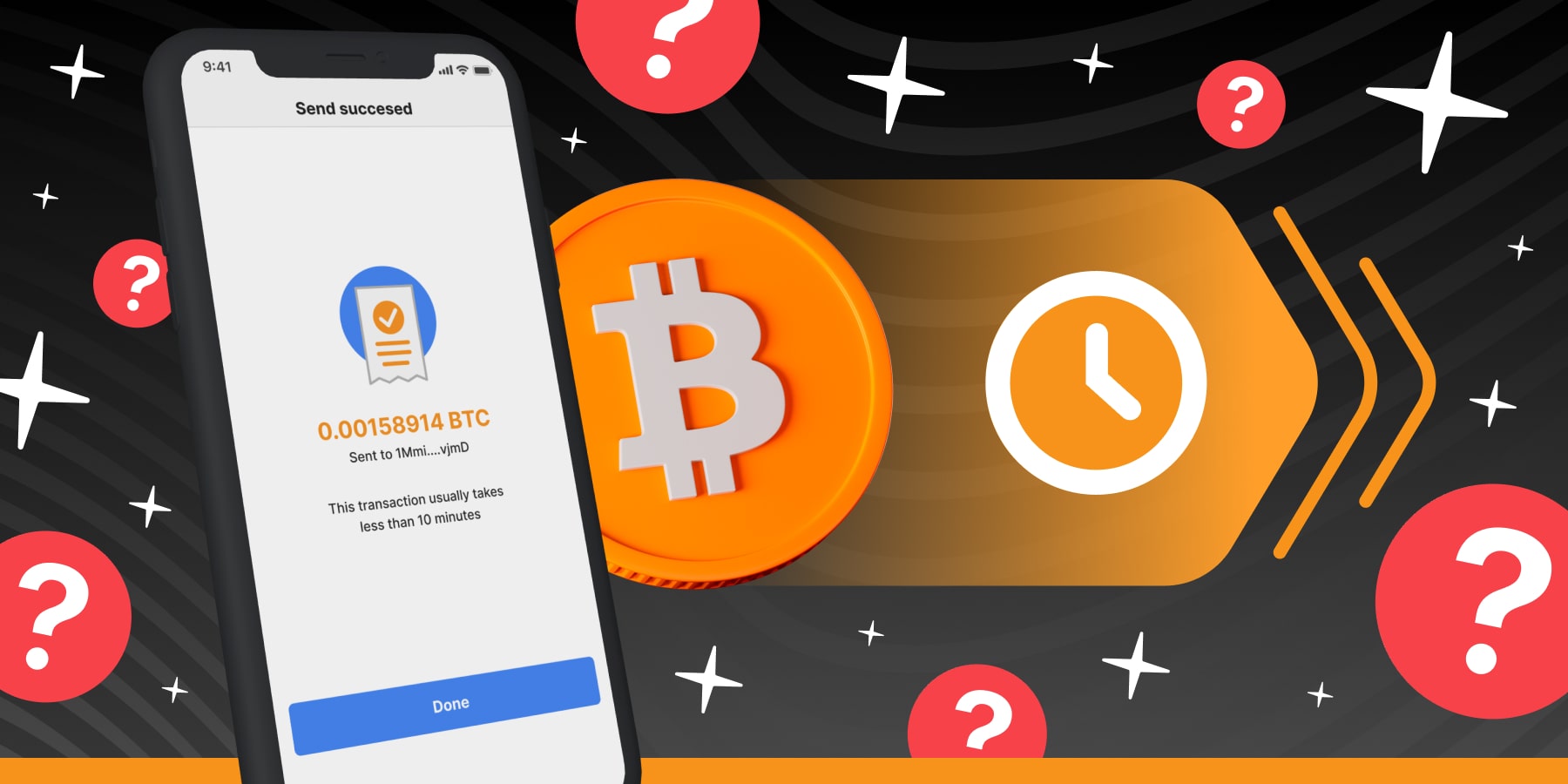
What is happening after you send your crypto transaction? Let’s take a look at the nuts and bolts. When you send funds, your crypto payments are not immediately confirmed, they go to a mempool, a “waiting room” for unconfirmed transactions. Originally, the concept of mempool appeared in the Bitcoin blockchain, but other networks adopted it. It serves as a transit point between the user’s wallet and the blockchain.

How does it work?

You send a transaction, and it is transferred to a node and added to a mempool.
The node checks your transaction. Once it’s validated, your transaction gets a “pending” status.
Other connected nodes validate the transaction. Then, miners add it to a new block and record it in the blockchain.
Now, when your transaction gets a status “completed”, it’s removed from the mempool queue.

Mempool and network congestion

Mempool has its size limits. For instance, the default “waiting space” of a Bitcoin node is 300 MB. If the number of transactions surpasses the capacity of a certain mempool — it will get congested. If the current network load exceeds this limit, nodes can impose a minimum transaction fee limit. In this case, all transfers with a lower fee will be removed from the mempool. NC Wallet users don’t have to take care of such issues at all. The transaction costs are covered, and if your transfer gets stuck because of the current fee threshold, it will be automatically sped up.

Tip! You can track the current number and fee of the unconfirmed transactions online. For example, for Bitcoin here.

NC Wallet is the first wallet that doesn’t charge any extra commissions allowing anyone and everyone to experience financial crypto freedom. Give it a try!

TO NC WALLET

Recently Added

Crypto Myths Debunked: Is Bitcoin Just a Fad?

In the 1980s many people were suffering from the so-called "computerphobia" — the fear of never-seen-before smart computers. Some early-day users even felt like they "could be replaced by a machine [or] become a slave to it". And what is the situation like today? On average, a person spends around 7 hours a day in front of the computer, and this number is growing exponentially…
Published:
ChatGPT to Boost Blockchain Security, What’s Next?

Imagine that there’s an expert that knows about potential blockchain vulnerabilities and can warn you about them. What if this expert could also analyse the previous patterns and point out weak points of blockchain technology? Do you think this is impossible? Not at all. Recently, an AI-powered chatbot that can reveal loopholes in smart contracts has been discovered by the crypto community. Prepare to achieve exciting results!
Published:
Introduction to Web3: What You Need to Know
Do you check your phone almost immediately after you wake up? Do you scroll through the digital news feed before you go to bed? Most of us spend a lot of time online. The ever-growing needs and wants are becoming more complicated thus the Internet, also referred to as the World Wide Web, has to adjust to constant change.
Published: