
 en
en de
de
 fr
fr
 es
es
 it
it
 ru
ru
 pt
pt
NC Wallet News
View allReading the Signs
Key to Crypto: Token Supply
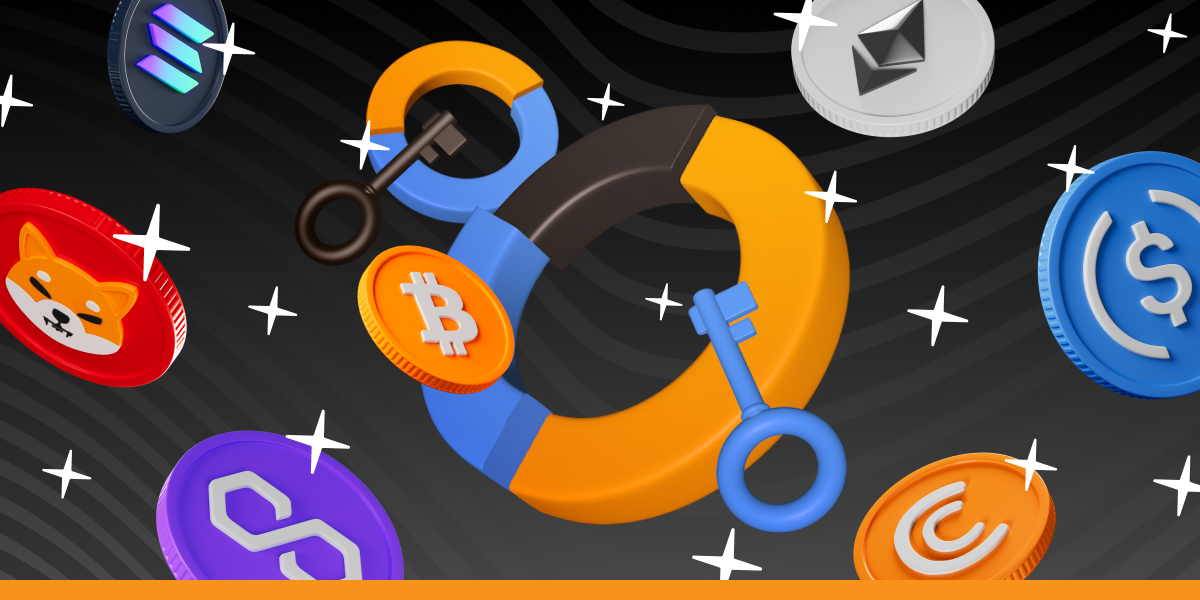
Today, we give you a master key to the crypto world. With this knowledge, you will feel more confident and have the tools to identify the strengths and weaknesses of any cryptocurrency. Tokenomics — is something that will help to understand and predict the future of coins and tokens more accurately.

Why is it helpful?
By definition, tokenomics is the analysis of the cryptocurrency features, and its economic models, including supply, demand, inflation, market cap, etc. In this article, we will cover some useful metrics to pay attention to and some red flags to avoid. So, choose a coin and visit the site of the project or resources like coinmarketcap.com, and examine these indicators.
Maximum supply
The first important figure is the maximum supply, which is the maximum amount of coins that are planned to be issued. For instance, Bitcoin has a hard cap of 21 million BTC. Why is it so important for a token to have a limited supply? Let's recall the golden rule of the economy: low supply of an asset combined with high demand for it — is a key to success. Having the capped supply makes currency inflation-resistant. Some tokens (Solana, for example) don't have max supply, but it doesn’t mean they are unreliable. Blockchains may have other tools allowing them to regulate the number of coins on the market.
Circulating supply
Circulating supply is the number of tokens that are currently available on the market. When the circulating supply reaches max supply, it means that all the coins are issued.
Token burning
For some projects, this circulating supply grows over time, while others “burn” a part of the tokens to delete them from circulation. Why and what tokens are destroyed? The process aims to decrease the amount of coins in circulation, thus increasing the price of tokens remaining on the market. Don’t worry about your crypto, blockchains never burn their users' funds. For example, the Ethereum blockchain burns a part of collected fees by sending them to inaccessible addresses.
That's all for today. In the next article, we will delve deeper into the issuance of tokens, exploring how it affects the price.



Recently Added
Crypto Myths Debunked: Is Bitcoin Just a Fad?

ChatGPT to Boost Blockchain Security, What’s Next?