
 it
it en
en
 de
de
 fr
fr
 es
es
 ru
ru
 pt
pt
NC Wallet Notizie
Mostra tuttoIn crypto we trust
3 things to know about Trump stablecoin law
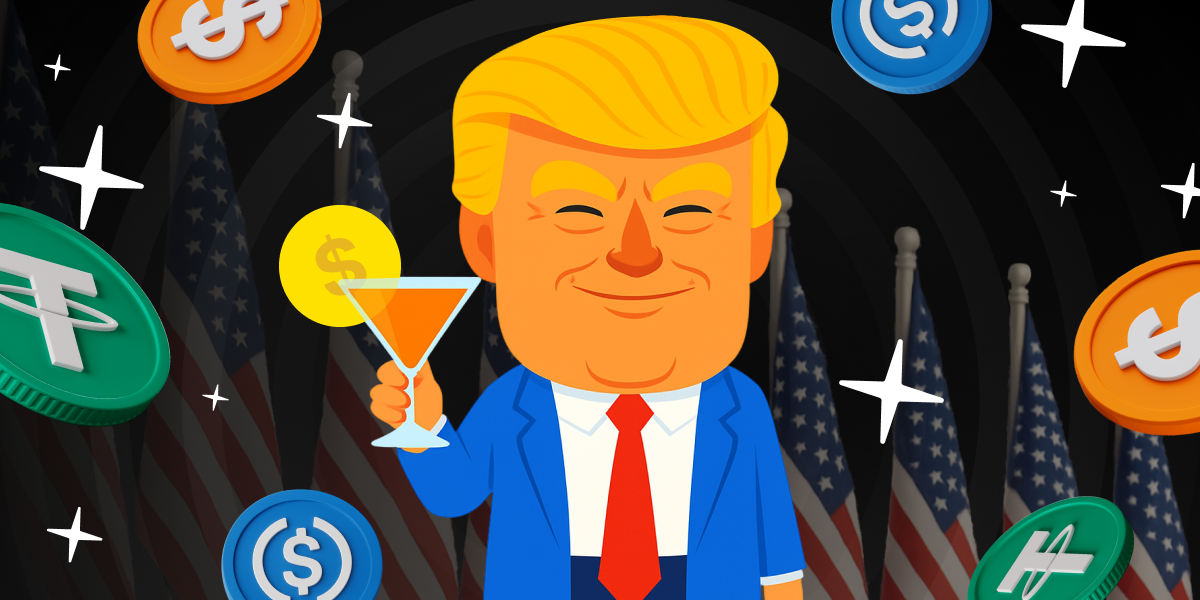
First-ever stablecoin law is here! The GENIUS Act — the Guiding and Establishing National Innovation for U.S. Stablecoins Act — was signed by President Trump on July 18, 2025.
It’s not just a big moment for the U.S. — it’s a game-changer for the global crypto ecosystem.

Clear rules and consumer protection
The Act establishes the first comprehensive regulation for dollar‑backed stablecoins issued by companies operating under the USA jurisdiction. From now on, these stablecoin issuers must follow strict national standards, including:

Each stablecoin is backed 1:1 by real money, like U.S. dollars
Reserves are kept separate from company money and can’t be used for loans
Monthly checks and reports
Must follow anti-money laundering rules
The measures are intended to help prevent failures similar to Terra and FTX, as well as build trust in crypto.

Opens the door to mainstream adoption
With clear regulatory pathways, the law makes it easier for fintechs, banks, and payment providers to:
Issue and operate their stablecoins
Integrate tokens into real-world payment systems
Unlock 24/7, global, low-cost transactions
This could bring stablecoins into everyday financial life.

Global signal for innovation
The GENIUS Act is the first standalone crypto law signed by a U.S. president. It marks a historic shift in U.S. policy, embracing digital currencies at the federal level. But its impact goes beyond U.S. borders: it sets a model for other nations to follow and encourages responsible crypto innovation worldwide.


Aggiunti di recente

Sfatato il mito delle criptovalute: il bitcoin è solo una moda?

ChatGPT aumenterà la sicurezza della Blockchain. E poi?